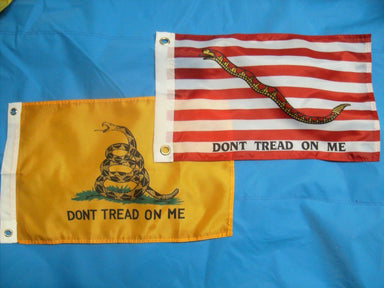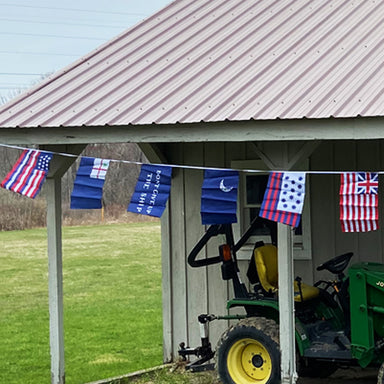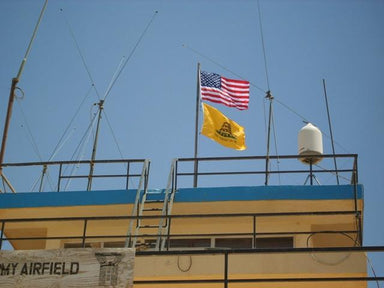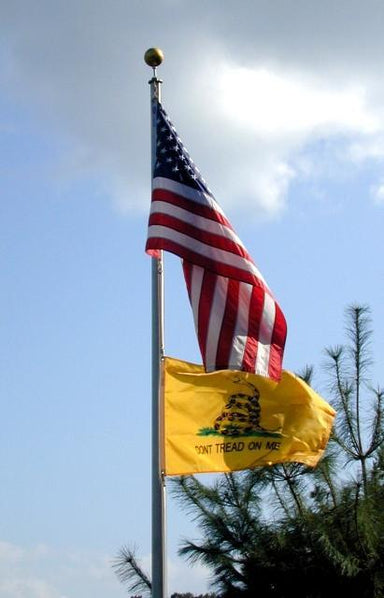


In 1980, Edward Hidalgo, the Secretary of the Navy, directed that the ship with the longest active status shall display the First Navy Jack until decommissioned or transferred to inactive service. Then the flag will be passed to the next ship in line. This honor was conferred on the following U.S. Navy vessels:
1981–1982: Destroyer tender USS Dixie (AD-14), commissioned 1940
1982–1993: Destroyer tender USS Prairie (AD-15), commissioned 1940
1993–1993: Submarine tender USS Orion (AS-18), commissioned 1943
1993–1995: Repair Ship USS Jason (AR-8), commissioned 1944
1995–1995: Ammunition ship USS Mauna Kea (AE-22), commissioned 1957
1995–1998: Aircraft carrier USS Independence (CV-62), commissioned 1959
1998–2009: Aircraft carrier USS Kitty Hawk (CV-63), commissioned in 1961
2009-Present: Aircraft carrier USS Enterprise (CVN-65), commissioned 1961
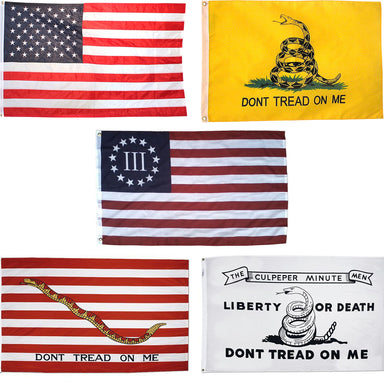
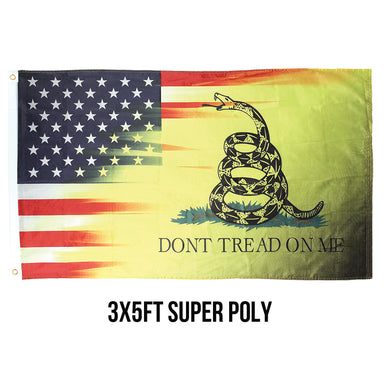
The United States Navy originated as the Continental Navy, established early in the American Revolution by the Continental Congress by a resolution of 13 October 1775. There is a widespread belief that ships of the Continental Navy flew a jack consisting of alternating red and white stripes, having the image of a rattlesnake stretched out across it, with the motto "Don't Tread on Me." That belief, however, rests on no firm base of historical evidence.
It is well documented that the rattlesnake and the motto "Don't Tread on Me" were used together on several flags during the War of Independence. The only question in doubt is whether the Continental Navy actually used a red and white striped flag with a rattlesnake and the motto "Don't Tread on Me" as its jack. The evidence is inconclusive. There is reason to believe that the Continental Navy jack was simply a red and white striped flag with no other adornment.
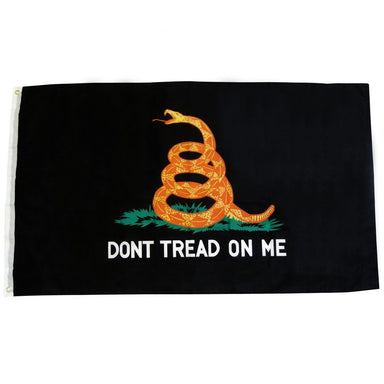
The rattlesnake emerged as a symbol of the English colonies of North America about the time of the Seven Years War, when it appeared in newspaper prints with the motto "Join or Die." By the time of the War of Independence, the rattlesnake, frequently used in conjunction with the motto "Don't Tread on Me," was a common symbol for the United States, its independent spirit, and its resistance to tyranny.
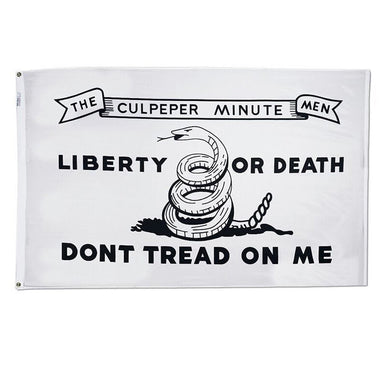
Two American military units of the Revolution are known to have used the rattlesnake and the "Don't Tread on Me" motto: Proctor's Independent Battalion, of Westmoreland County, Pennsylvania, and Sullivan's Life Guard during the Rhode Island campaign of 1777. The rattlesnake and the motto also appeared on military accoutrements, such as drums, and on state paper currency, during the Revolution.
The image of the rattlesnake and the motto "Don't Tread on Me" certainly had associations with the Continental Navy.
On 27 February 1777, a group of Continental Navy officers proposed that the full dress uniform of Continental Navy captains include a gold epaulet on the right shoulder with "the figure of a Rattle Snake Embroider'd on the Strap . . . with the Motto don't tread on me."
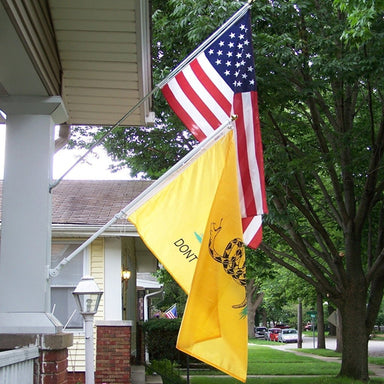
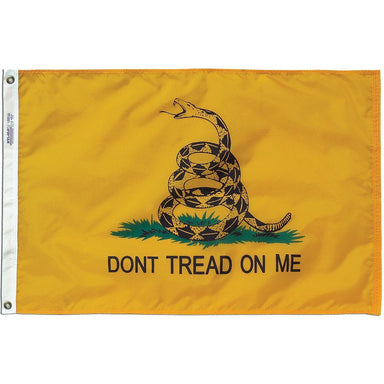
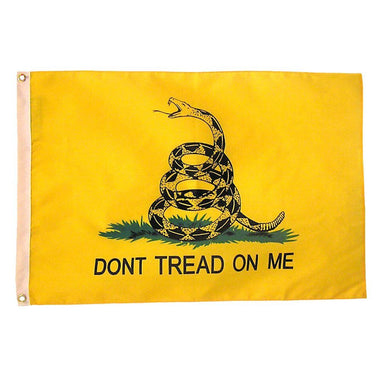
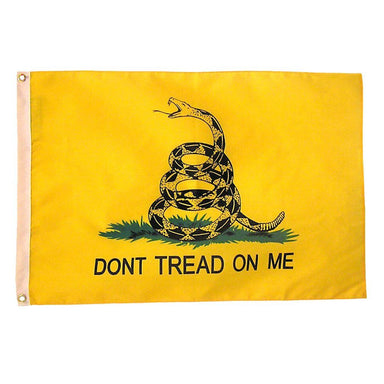
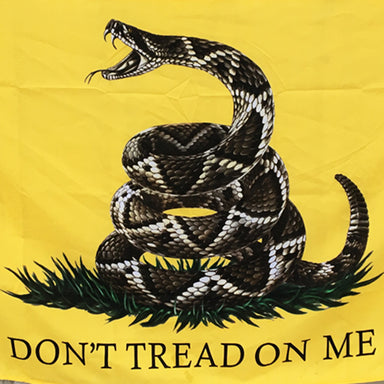
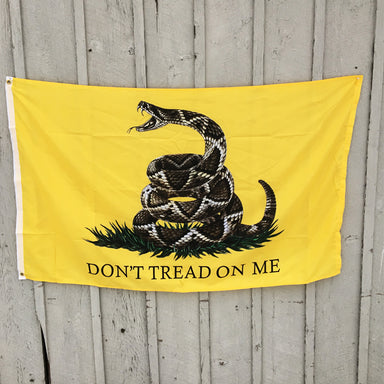
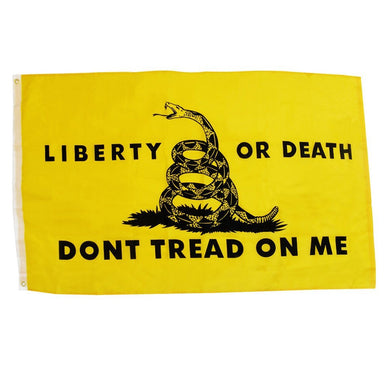
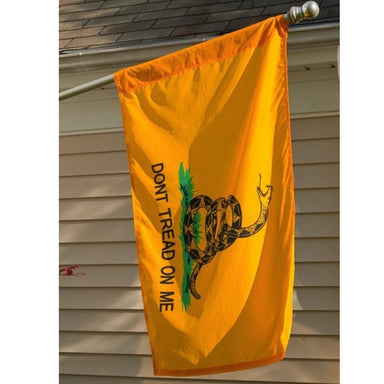
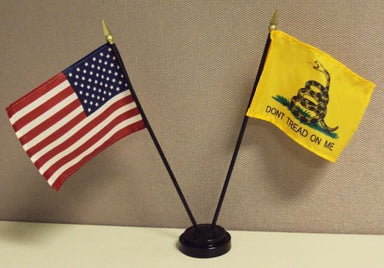
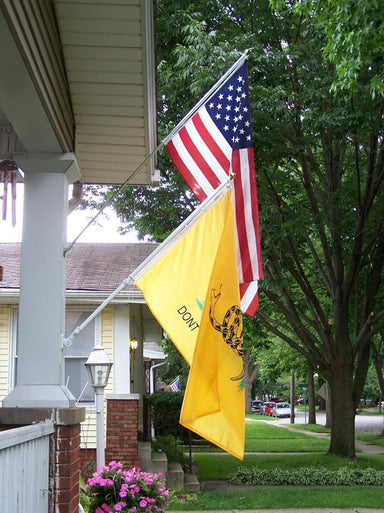
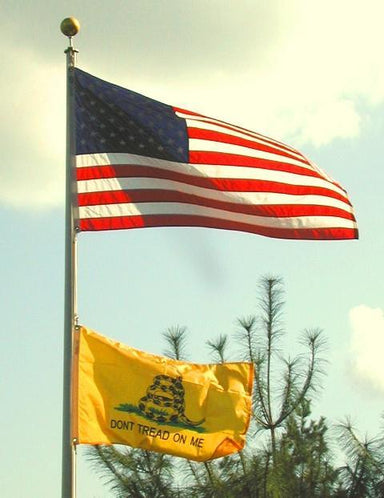
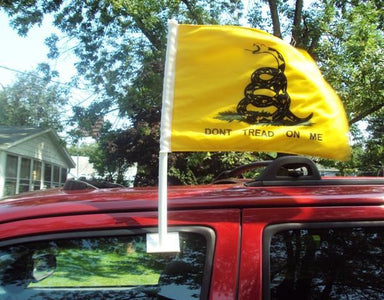
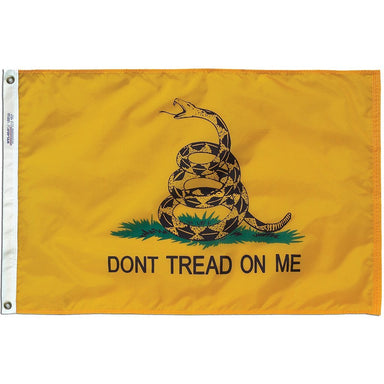
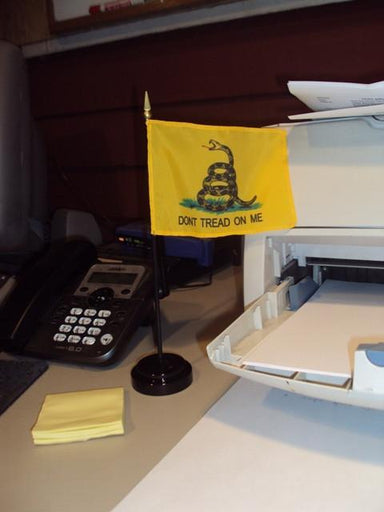
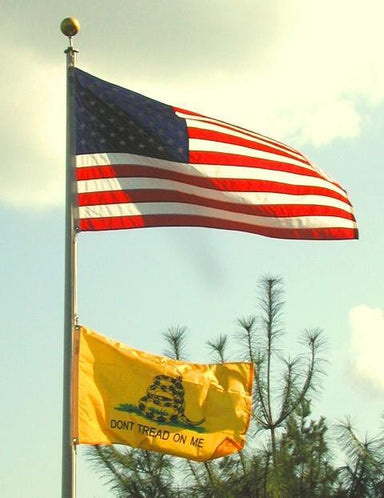
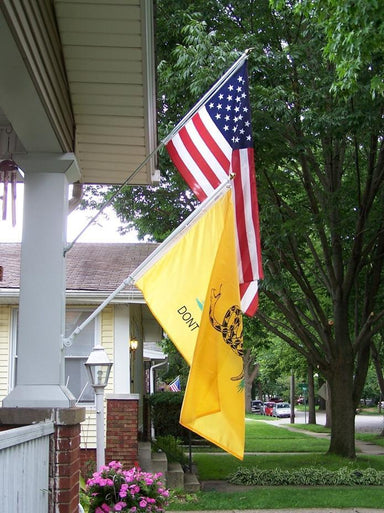
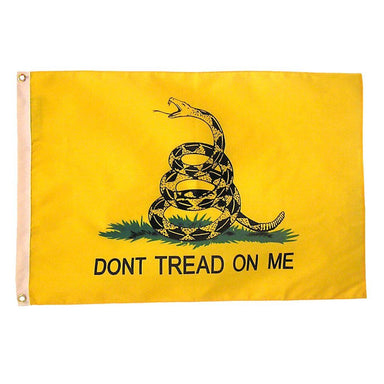
In early 1776 Commodore Esek Hopkins, the first and only commander in chief of the Continental Navy fleet, used a personal standard designed by Christopher Gadsden of South Carolina. This flag consisted of a yellow field with a coiled snake and the motto "Don't Tread on Me." There is no doubt as to the authenticity of Hopkins's personal standard, usually referred to as "the Gadsden flag."